
Arthroscopic Rotator Cuff Repair: An Unshaken Milestone - Revisiting the Standard yet Optimal
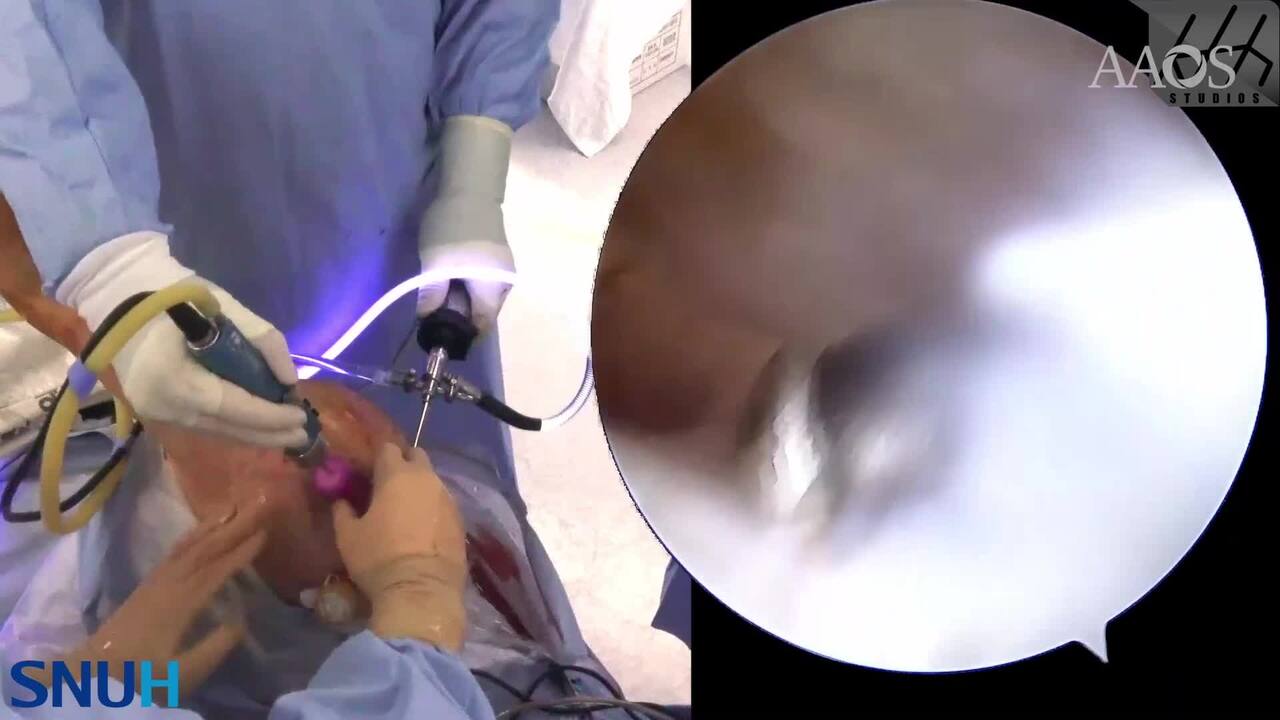
Rotator cuff tear is a common orthopedic condition frequently encountered in clinical practice. Many orthopedic surgeons study, treat, and sometimes perform surgical interventions for this condition. With advances in surgical techniques, numerous innovative procedures have been developed, allowing surgeons to attempt challenging repairs of rotator cuff tears that were once considered irreparable one. These novel techniques include tendon transfer, superior capsular reconstruction, biceps re-routing, and biologic augmentation, each supported by varying levels of evidence. However, the strength of recommendations for these new surgical methods remain limited, and the indications for surgery are becoming increasingly ambiguous. Therefore, it is essential for each surgeon and trainee to develop a deep understanding of the principles and techniques of traditional rotator cuff repair in their first clinical practice. Nevertheless, recent meetings and journals tend to focus on more advanced topics or novel techniques, making it difficult to find basic foundation on the topic. From this perspective, we hope that this video and case presentation will serve as a valuable resource for many trainees and surgeons to perform better surgeries. A 48-year-old male patient presented with shoulder pain. Imaging and physical exam revealed tears of the supraspinatus and infraspinatus tendons accompanied by a bird-beak spur, as well as subcoracoid stenosis associated with a subscapularis tendon tear. Let’s take a basic look at what considerations are involved in performing conventional arthroscopic rotator cuff repair in such patients.