
Individualized Anatomic ACL Reconstruction
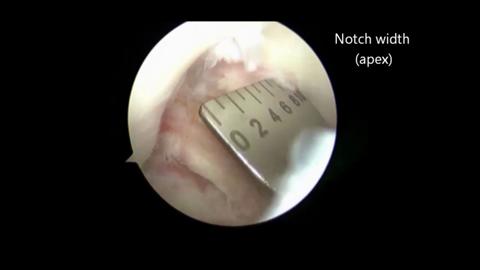
Peer review has expired on this program. It is the viewer’s responsibility to determine the educational value of this historical content.Peer review has expired on this program. It is the viewer’s responsibility to determine the educational value of this historical content.Over the last decade, there have been pronounced changes in the technical concepts of anterior cruciate ligament (ACL) reconstruction. Despite this, the number of primary failures remains high, reflecting the inherent complexity of this surgical procedure and the need for continued research. Recently, the renewed focus of ACL reconstruction has been to restore the anatomy of the native ACL. The goal of anatomic ACL reconstruction is the functional restoration of the ACL to its native dimensions, collagen orientation, and insertion sites. Therefore, anatomical characteristics should be objectified and considered in an effort to customize the surgery to each patient's individual anatomy. The size, shape, and orientation of the tibial and femoral insertion sites, dimensions of the notch, and rupture pattern of the ACL should guide pre- and intra-operative decisions with regard to the reconstruction. In our hands, ACL reconstruction is intended to be an individualized surgical procedure that is customized to the patient by accounting for lifestyle and by objective appreciation of the native anatomy, including pre- and intra-operative measurements. This video presents the importance of anatomical considerations for a proper ACL reconstruction as well as the considerations associated with an individual patient's lifestyle, profession, and preferences. It is also a comprehensive overview of basic principles of individualized anatomic ACL reconstruction. Video illustrations of pre- and intra-operative considerations and surgical management decisions highlight the key points in this philosophy of individualization. The current literature, our own experience of ACL reconstruction, and cases are presented.