
A Simplified 3 Step Technique for Acetabular Management in Protrusion Acetabuli
Protrusio acetabuli, defined as medial migration of the femoral head beyond the ilioischial line (>6 mm in females, >3 mm in males), presents challenges in hip arthroplasty due to poor bone stock and distorted anatomy. Our simplified 3-step technique offers a structured approach to acetabular reconstruction in these cases.
Preoperative templating guides decisions on lateralisation, center of rotation , offset, and graft volume. The surgery is performed via a posterior approach. After dislocation, cancellous bone is harvested from the femoral head using in situ reaming.
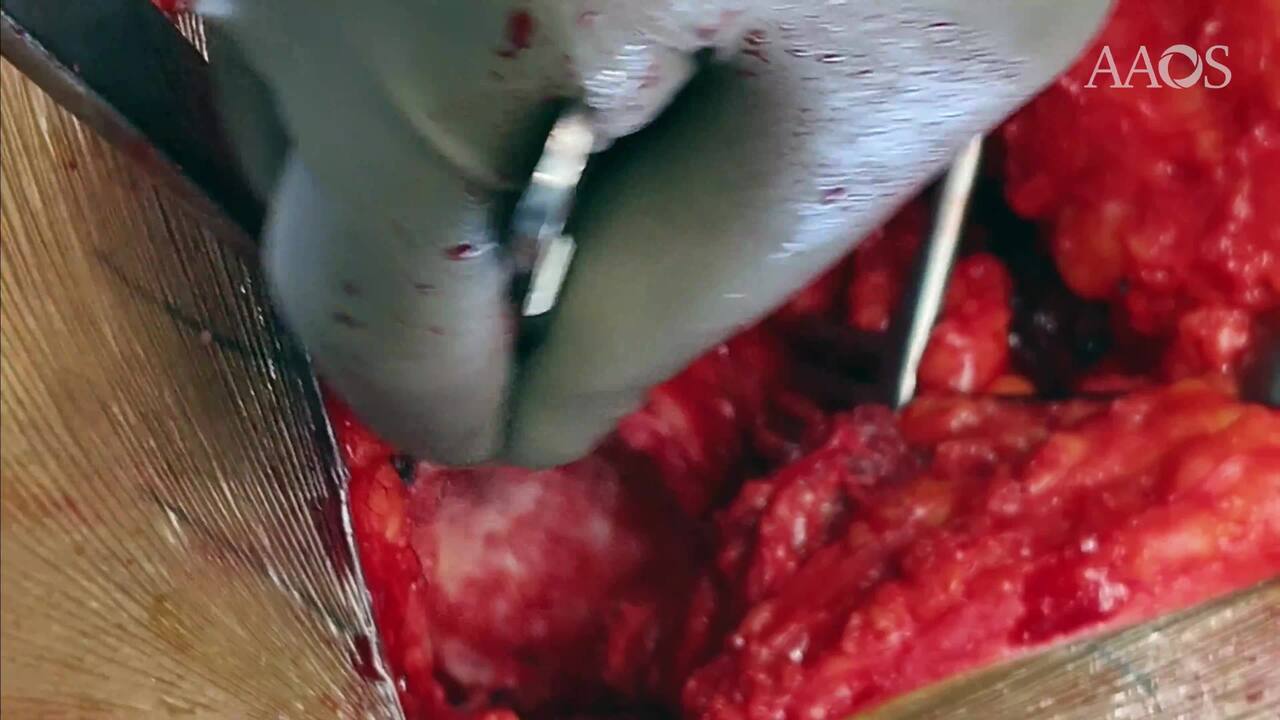
Step 1: Peripheral reaming widens the narrow, deep acetabulum without violating the medial wall, converting it into a cylindrical shape.
Step 2: Particulate autograft is packed into the acetabular floor, followed by reverse reaming to reconstruct the medial wall and shape the graft bed.
Step 3: Graft thickness is confirmed using a depth gauge, and a press-fit uncemented cup with dome screws is implanted. Cemented stems are used in Dorr Type 3 femurs.
Patients are mobilized full weight-bearing postoperatively. Serial radiographs assess graft incorporation.This technique reliably restores COR and stability, even in rheumatoid patients, and simplifies management of protrusio acetabuli in complex arthroplasty.