
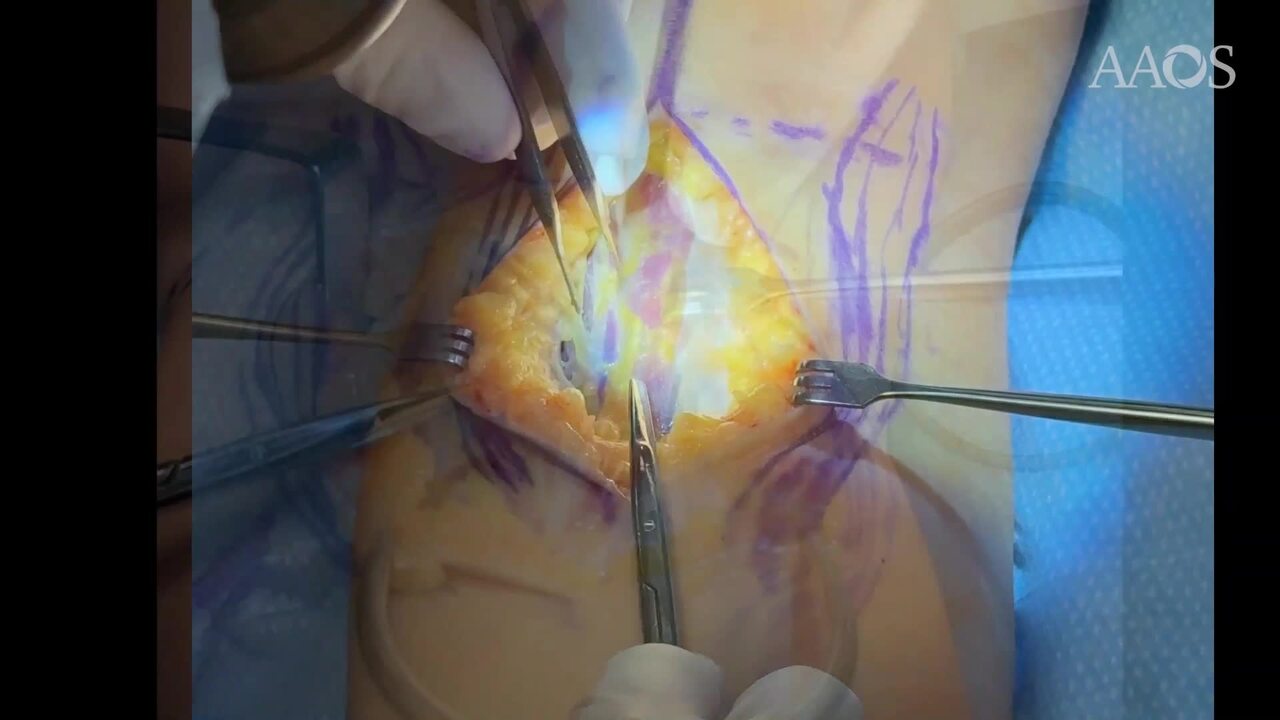
Proximal Tibial Nerve Decompression at the Soleal Sling
Proximal tibial nerve compression at the soleal sling is a relatively rare condition, often resulting in nerve-related symptoms such as parasthesias, numbness, and/or pain to the lower leg.
This compression is typically due to a mechanical impingement or anatomical variations affecting the tibial nerve as it passes through the fibromuscular sling of the origin of the soleus muscle. This is found approximately 9 cm distal to the medial tibial plateau. Diagnosis of soleal sling syndrome is often difficult and can lead to unnecessary treatments leaving both the clinician and patient frustrated with no improvement in symptoms. Indications: Failure of Conservative Treatment:Persistent or worsening symptoms despite the use of conservative management options, such as physical therapy, anti-inflammatory medications, nerve mobilization techniques, and orthotic devices.Severe or Progressive Neurological Symptoms: Progressive sensory loss (paresthesia, numbness) or motor weakness in the areas innervated by the tibial nerve (e.g., foot drop, difficulty with plantarflexion) that impair daily function.Chronic or Intractable Pain: Persistent pain or discomfort in the calf or foot, often described as burning or aching, which does not respond to non-surgical treatments such as analgesics, corticosteroid injections, or nerve blocks.Muscle Atrophy or Significant Weakness:Notable muscle atrophy or weakness, particularly in the lower leg or foot (e.g., loss of intrinsic foot muscle strength or reduced ability to plantarflex), indicating prolonged or severe nerve compression that affects motor function.Intractable Swelling or Edema: Chronic swelling, edema, or a sensation of heaviness in the leg that is linked to nerve compression, unresponsive to elevating the leg or other conservative treatments.Documented Structural Abnormalities or Compression on Imaging: Imaging studies (e.g., MRI, ultrasound, or EMG studies) show clear evidence of proximal tibial nerve compression due to anatomical anomalies (abnormal soleal sling configuration, fibrosis, or muscle edema) that cause or exacerbate the nerve entrapment.Significant Functional Impairment: Difficulty with ambulation, gait abnormalities (such as foot drop), or limitations in physical activities.Failure of Neurotrophic Agents or Injections:Ineffectiveness of injections (corticosteroid or botulinum toxin injections).Risk of Permanent Nerve Damage:If there is concern that continued nerve compression may lead to permanent nerve damage or irreversible loss of function, surgery may be considered to prevent long-term disability.This Video will highlight the surgical approach and anatomy of the soleal sling and approach to decompressing the tibial nerve at this location.