
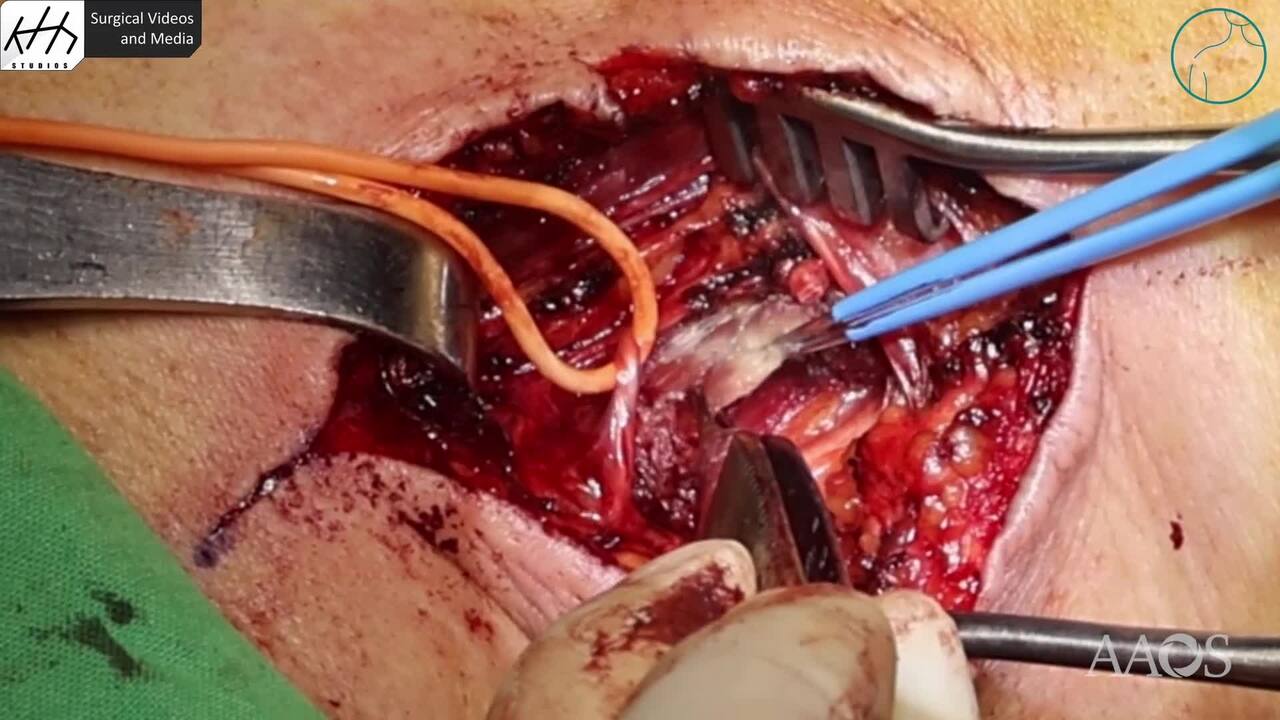
Contralateral C7 Graft to Lesion Side C7, in Hemiplegia
The disabilities of cerebral damage include not only spastic limb paralysis but also detailed various symptoms such as aphasia, memory problem, facial palsy, urinary system dysfunction, fatigue, pain, and depression. Usually, at six months after the stroke, improvement in symptoms becomes slow and static, and long-term disability becomes permanent. It is generally believed that after one year, the functioning of stroke survivors does not change significantly over time. In 2018, the results of treating spastic arm paralysis after chronic brain injury using a new surgical procedure, contralateral seventh cervical nerve (CC7) cross transfer surgery was reported. in this surgery, the seventh cervical nerve of the intact side is mobilized to the paralyzed side and coapted with the ipsi-lesional seventh cervical nerve. The ipsi-lesional C7 transection performed during the surgery appears to have short-term effects in alleviating spasm and improving speech function, and academic evidence for this is filing-up. Ultimately, the contralateral hemisphere can manage stroke disability through reorganization by cerebral plasticity and the function of the cross-transferred CC7 nerve. Seven years have passed since the procedure was introduced in 2018, but it is difficult to understand the surgical process even with detailed descriptions of surgical techniques. Especially, the contralateral C7 nerve should be harvested as long as possible, the ipsilateral C7 nerve should also be cut at the most proximal point, and it is important to connect the two nerves by the shortest prespinal route. If the above process is not performed properly, additional surgery such as nerve grafting or humeral shortening may be required. The senior author, ‘Sang-Soo, Kim’ performed more than 250 contralateral c7 transfers and did not perform a single nerve graft or ostetomy. In this video, we’d like to demonstrate the detailed surgical procedure of the contralateral C7 graft to lesion side C7, for hemiplegia patients.