

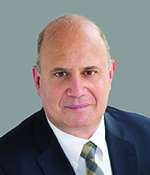
Robert M. Orfaly, MD, MBA, FAAOS
Published 10/19/2025
|
Robert M. Orfaly, MD, MBA, FAAOS
This month’s issue of AAOS Now features articles on the theme of physician wellness. As physicians, we all know that we should eat right, exercise, and avoid habits that place significant burdens on our health. However, there are also hazards to our physical well-being that are specific to orthopaedic surgery. Long hours in the OR take their toll and can be exacerbated by poorly designed tools or positioning. Advances in imaging have been at the center of many orthopaedic innovations but may increase our exposure to harmful radiation. One hazard I am acutely aware of is noise in the OR. I have had a sensitivity to high-pitched noise my entire life and find the humming from some surgical equipment to be almost unbearable. I hope you take a moment to consider your own physical wellness while reading this issue and make the necessary changes to protect your well-being.
Of course, physical wellness is only one part of the equation, along with emotional, social, and spiritual wellness. Whether these are managed through nurturing personal relationships, connecting with nature, or joining a sports team or social club, managing these aspects of wellness often leads to greater physical health and overall satisfaction.
Robert M. Orfaly, MD, MBA, FAAOS
Professional wellness also plays a major role. Many of us relate this conversation to burnout prevention, but I tend not to make this our current focus — many of us have expressed some burnout in hearing about burnout. However, just as physical health is more than the absence of disease, our professional satisfaction extends beyond preventing overt burnout or separating from sources of moral injury that can serve as a root cause.
In his book “Drive: The Surprising Truth About What Motivates Us,” Daniel H. Pink identified three factors that drive intrinsic motivation and professional satisfaction: autonomy, mastery, and purpose. Overly burdensome bureaucracy and micromanagement can deteriorate our sense of autonomy. Stagnant roles and workplace disorganization make us view mastery of our environment more dimly. Our sense of purpose can be eroded by a disconnect from a personal or organizational mission or too narrow a focus on the bottom line. I believe that a key component of professional satisfaction is increasing one’s sense of service. As physicians, service is tightly interwoven into our everyday work. We serve our patients’ needs and improve their health. For most of us, this desire to serve our patients is a major motivation for entering the medical profession. For some, the joy of routine orthopaedic practice is sufficient to provide fulfillment. However, factors beyond our control — such as electronic health records, prior-authorization requirements, and tightening reimbursement models — can extract some of the pleasure of our jobs. The antidote may be found in service that follows a different path.
Teaching and research are well-established outlets for passion and creativity. Historically confined to academic institutions, opportunities to engage with learners of all levels are more accessible than ever. In an age when digital information sources have become ubiquitous, they still have shortcomings in providing the creative interchange of ideas that is facilitated by direct communication and instruction. (With respect to research, stay tuned for our December issue, with an innovation theme, and see if this gets your creative mind buzzing!) By taking on leadership opportunities, we can take skills built through years of one-on-one patient experiences and translate them into improved health for a much larger population.
There is, unfortunately, no shortage of under-resourced populations to be served by your orthopaedic care, both domestically and abroad. The AAOS International Committee comprises many individuals who can guide those interested in embarking on such service.
I would also be remiss to omit political advocacy on this list. We can have the best research producing the most impressive innovations, but none of it can achieve its full potential if funding and delivery models provide insufficient support.
I am fortunate to have had many fulfilling opportunities for service to my beloved orthopaedic profession, and I look forward to many more. I encourage each of you to reflect on what fuels your professional passion and seek opportunities to incorporate more of it into your career. I also encourage you to look to your Academy for avenues for professional satisfaction. Increasing service may mean volunteering without direct compensation, and it may compete with family or other obligations in your life. However, as Pink described, reinforcing our sense of autonomy, mastery, and purpose can produce great dividends, for the benefit of us all.
Robert M. Orfaly, MD, MBA, FAAOS, is a professor in the Department of Orthopaedics and Rehabilitation at Oregon Health and Science University. He is also the editor-in-chief of AAOS Now and chair of the AAOS Now Editorial Board.