

July is Sarcoma Awareness Month.
Published 7/28/2026
|
Joel L. Mayerson, MD, FAOA, FAAOS
At a Glance
- Sarcoma Awareness Month highlights the importance of early recognition, appropriate referral, and multidisciplinary care for patients with rare musculoskeletal tumors.
- Advocacy directly influences access to imaging, specialty care, research funding, and reimbursement for complex orthopaedic oncology services.
- Orthopaedic Advocacy Week offers surgeons an opportunity to advance policies that support patients, research, and the orthopaedic profession.
Estimated read time: 3 minutes
July marks Sarcoma Awareness Month, an opportunity to highlight a group of rare but often devastating malignancies managed within orthopaedic surgery. Although sarcomas account for fewer than 1% of adult cancer cases, they cause substantial morbidity and mortality. Their rarity contributes to delays in diagnosis, unplanned resections, and inconsistent access to multidisciplinary care.
Early recognition and appropriate referrals are critical. Evaluation at specialized centers can significantly affect oncologic outcomes, limb preservation, and patient quality of life.
Orthopaedic surgeons are often the first to encounter these tumors. However, awareness alone is insufficient. Policies governing access, research funding, and reimbursement shape the environment in which care is delivered. Advocacy is therefore not separate from clinical practice; it is integral to it.
July is Sarcoma Awareness Month.
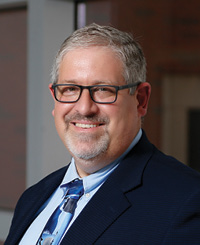
Joel L. Mayerson, MD, FAOA, FAAOS
AAOS maintains a coordinated advocacy framework to represent both patients and the profession. The Office of Government Relations (OGR) leads federal and state engagement, monitoring legislative and regulatory activity and advancing policies that support access to high-quality musculoskeletal care. The Political Action Committee of the American Association of Orthopaedic Surgeons (OrthoPAC) complements these efforts by supporting political candidates who value the physician–patient relationship and recognize the importance of specialty care.
Equally vital are the grassroots organizations within the orthopaedic profession. The Board of Specialty Societies (BOS) and the Board of Councilors (BOC) ensure AAOS members’ perspectives inform advocacy priorities. Together, the OGR, OrthoPAC, BOS, and BOC form an integrated advocacy ecosystem that is strategic, coordinated, and responsive to members’ needs.
Sarcoma Awareness Month underscores the importance of this work. Policies affecting access to appropriate imaging before biopsy, participation in multidisciplinary tumor boards, funding for rare cancer research, and reimbursement for complex oncologic reconstruction have direct implications for patient care. Deficiencies in these areas contribute to delayed diagnosis, fragmented care, and poorer outcomes.
---
Related Content
- A father's perspective on the challenges of treating metastatic chondrosarcoma (AAOS Now)
- Key health policy issues shaping Orthopaedic Advocacy Week (AAOS Now)
- Musculoskeletal Tumor Registry (MsTR) Annual Report (MsTR)
---
Orthopaedic Advocacy Week in August provides a focused opportunity for engagement. Through direct communication with legislators — both in person and virtually — AAOS members can advance priorities including payment reform, prior authorization relief, scope of practice integrity, and sustained research investment.
For those treating sarcoma, the need for advocacy is clear. Rare diseases require coordinated systems of care, continued research support, and recognition of specialized expertise. Without sustained engagement, these priorities risk being overshadowed in broader policy discussions.
As Advocacy Council Chair, I encourage all members to view advocacy as an extension of patient care. Sarcoma Awareness Month elevates awareness; Advocacy Week amplifies our collective voice.
Surgical care treats the disease. Advocacy ensures the system can support its delivery.
Joel L. Mayerson, MD, FAOA, FAAOS, is chair of the AAOS Advocacy Council.