

Watch the video version of the "AAOS Patient Engagement Task Force" podcast episode via YouTube or access on the episode on your preferred podcast platform.
Published 3/28/2026
|
Kelsey E. Ingram
Patients have always been at the center of orthopaedic care. As evidence continues to show that patients who actively engage in their care achieve better outcomes, AAOS has turned its focus toward strengthening its patient education program. AAOS Now Podcast host Stuart Fischer, MD, FAAOS, sat down with AAOS Patient Engagement Task Force (PETF) Co-Chairs Monica Payares-Lizano, MD, FAAOS, and James Barber, MD, FAAOS, to discuss what the group has accomplished over the past two years and why implementing these engagement initiatives is important to AAOS’ mission and its members.
Dr. Fischer opened the conversation by asking why the AAOS Board of Directors (BoD) created the task force. Member-at-large under 45 representative Dr. Payares explained that it was part of a greater five-year strategic plan for AAOS that placed the musculoskeletal community and patients as one of the core pillars.
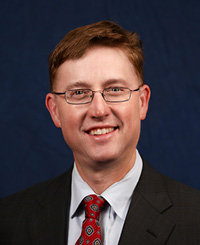
James W. Barber, MD, FAAOS

Monica Payares-Lizano, MD, FAAOS
“Our patients are at the forefront of everything we do,” she said. “We wanted to understand what each council and committee was already doing to put patients first.”
Dr. Barber concurred, adding, “The Board of Directors identified three areas of focus: awareness, advocacy, and knowledge. This task force was established to clarify direction and effectively direct resources.”
Consisting of members from the BoD, Advocacy Council, Communications Committee, and Education Council (among others), the task force gathered a wealth of information and expertise to accomplish its primary goal: establishing a strong, bidirectional communication pathway between the BoD and committee and council leadership.
“This task force was not created to generate new ideas or act as a think tank. Instead, it was charged with coordinating activities across councils and committees and facilitating communication between them and the Board,” Dr. Barber said. “The goal was to collect existing ideas and prioritize them into quick wins, ongoing plans, and future goals. Everyone was encouraged to provide ideas and feedback.”
The OrthoInfo advantage
The next challenge was turning this large, nebulous concept into meaningful action for patients. One of the biggest accomplishments for the task force, said Dr. Payares, was recognizing the direct communication link to patients through OrthoInfo, AAOS’ patient education platform filled with vital resources on musculoskeletal health.
“Many of us have used it in practice,” she said. “Since it’s our most direct way of reaching patients, we focused on revamping it.”
With input from the OrthoInfo Editorial Board and support from the Communications Committee (which oversees OrthoInfo), the PETF gained funding to implement six specific areas of improvement:
- improved search engine optimization, answer engine optimization, and generative engine optimization to create a modern “search everywhere” strategy, shifting from just ranking on Google to being cited across AI platforms;
- enhanced accessibility and compliance with disability standards;
- upgraded multilingual offerings;
- an enhanced “Find an AAOS Surgeon” tool;
- new cobranding options for member physicians and practices; and
- a refreshed website design and user experience.
“Patients who come in better educated tend to understand their conditions better and follow instructions more reliably,” Dr. Barber said. “Engagement helps them better understand what may or may not be orthopaedic. AAOS must provide resources across the full spectrum of care.”
That full spectrum extends to orthopaedic surgeons themselves, as Drs. Payares and Barber highlighted how their patients engage with education differently. Because many of her patients present with chronic neuromuscular conditions like cerebral palsy and need repeated explanations to understand their diagnosis and treatment options, Dr. Payares found that directing them to reliable educational resources reduces how often she must repeat this information across visits. Dr. Barber, on the other hand, noted his patients often present with nonspecific pain, so their review of OrthoInfo content helps them understand what pain may or may not be orthopaedic.
“No two surgeons practice the same way, but all should have access to the same tools,” Dr. Payares observed.
One way both doctors share OrthoInfo with their patients is by downloading the OrthoInfo home page and specialty-specific QR codes (which can be found at aaos.org/orthoinfoqrcodes) and adding them to signs posted around the waiting room. Patients can then scan the codes and explore the website while waiting for their appointments.
Advocating for effective change
In addition to enhancing patient education, PETF focused on how doctors could get patients involved in AAOS’ advocacy efforts.
The PETF identified patient stories as incredibly valuable tools to demonstrate real-world impact to other patients and strengthen policymaker engagement. While the initial hope was to bring patients directly to Capitol Hill, the PETF strategy shifted to collecting and sharing patient stories through video, which it found to be more practical and effective.
“These patient testimonials are the ultimate PROMs (patient-reported outcome measures),” Dr. Barber said. “They put a human face on the high-quality data in AAOS registries. It’s just not possible for us to manage patient advocacy directly.”
While AAOS is not bringing the patients to Capitol Hill, each patient is still able to tell their story to Congress in their own powerful words and have their message heard by key decision-makers. “That alone can be quite impactful,” Dr. Payares said. “It may not be direct, but we are still giving them a good voice and giving them a platform.”
Conclusion
Drs. Payares and Barber emphasized that the task force not only advanced key elements of the AAOS strategic plan but also showcased how placing patients first can strengthen the future of orthopaedics. Helping people is the core of orthopaedics, which Dr. Barber sees as a true blessing.
Dr. Fischer closed out the conversation by asking the PETF co-chairs for some final takeaways from the experience.
“I think there are three key elements all AAOS members can take from the task force,” Dr. Barber said. “Firstly, the patient is at the forefront of everything we do. Secondly, [AAOS’] governance structure supports true bidirectional communication. And finally, we have an incredible community of dedicated volunteers committed to improving orthopaedics.”
Kelsey E. Ingram is the associate editor for AAOS Now. She can be reached at kingram@aaos.org.