

AAOS Now, May 2020
-
Podcast Recap: Congressman discusses effects of COVID-19 on orthopaedic practices
A special episode of “The Bone Beat” covered the Congressional response to COVID-19 as well as AAOS’ advocacy efforts to shape policy for relief and flexibility related to the pandemic.
-
AAOS Publishes Clinical Considerations Resource to Help Members Navigate the COVID-19 Pandemic
Unprecedented times call for unprecedented actions. At the end of April, there were more than one million confirmed cases of COVID-19 in the United States, with more than 160,000 confirmed in New York City alone. Although New York City is the epicenter of the U.S. COVID-19 pandemic, it is also a place we can turn to for guidance on navigating a path forward.
-
Newly Released Special Edition of JAAOS ® Features the Latest Research and Guidance for Practicing During the COVID-19 Pandemic
The Journal of the AAOS ® (JAAOS ®) will publish a COVID-19 special edition for its June 1 issue. As COVID-19 has become the top priority for researchers and medical professionals alike, the articles are already available online at the JAAOS ® website/
-
Sound Off: What Will Never Be the Same for Surgeons After the COVID-19 Pandemic?
The present viral pandemic has certainly produced radical changes in all aspects of professional and personal life within days and weeks. Will this “present shock” have lasting effects on our profession of orthopaedic surgery and the entire field of medicine? Will many things “never be the same” again, as some elected officials and experts have claimed?
-
The Bottom Line: The Cost of Cancelling Elective Cases
COVID-19 was declared a pandemic by the World Health Organization on March 11. In mid-March, we had many questions. We were not sure how long it would last. We did not know the extent or how dire the circumstances would become. We were not sure whether we would have enough resources. But there were also many answers.
-
Economics: Private Practices Fight for Survival
Spurred by the global pandemic known as COVID-19, the U.S. healthcare system has never faced so many unprecedented challenges simultaneously. When the outbreak first gained traction across the world and then in the United States, physicians across medical specialties were faced with utilizing limited resources to address an overwhelming demand for care by those infected.
-
Geriatric Fracture Patients Require Special Care During the Pandemic
The COVID-19 pandemic is affecting so many. The elderly are an especially vulnerable population. Geriatric fractures are common and still occur despite all of the activity restrictions and closings currently in place. The inability to visit elderly loved ones in the hospital can be extremely distressing for families, and the care provided by the hospital geriatric fracture service is important for patients and families.
-

Latest AAOS COVID-19 Webinar Updates Members on Return to Elective Surgery, News from D.C., and Telemedicine Coding
In a COVID-19 webinar conducted on Thursday, April 23, AAOS’ top leaders provided updates and guidance on returning to elective surgery, the latest news on federal funding legislation, and a recap of advocacy efforts by the Academy’s Office of Government Relations (OGR) to ensure that orthopaedic practices receive fair consideration in spending programs and regulatory accommodation.
-
Latest COVID-19 Webinar from Academy Leadership Provides Updates on Advocacy, Return to Surgery, and Research
In a COVID-19 webinar presented on May 13, AAOS’ Presidential Line provided updates on advocacy, return to surgery, COVID-19 member research, patient information, and virtual education. Similar to previous webinars, a question-and-answer session shed some light on members’ top concerns about navigating the COVID-19 pandemic.
-
Two Orthopaedic Leaders Discuss Their First-hand Battles with COVID-19
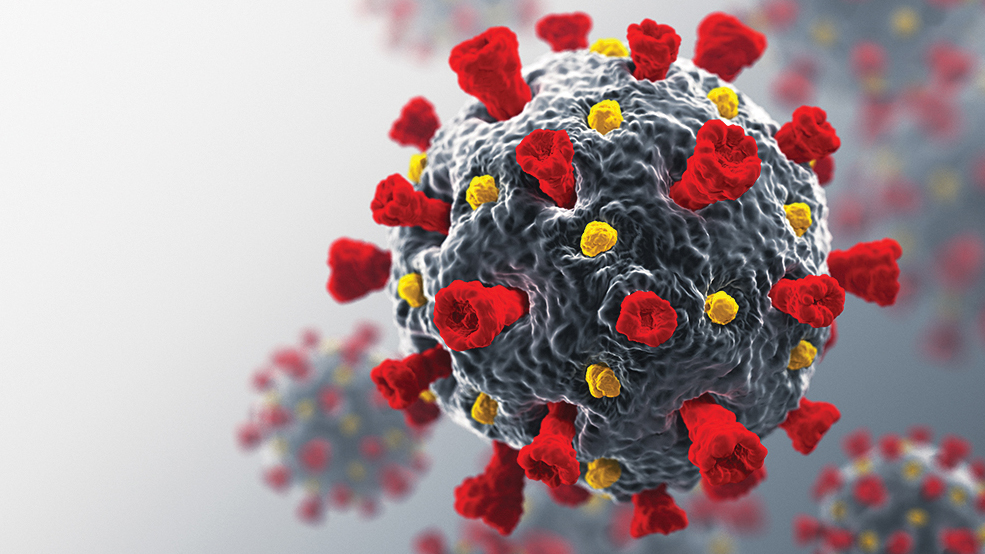
The COVID-19 pandemic has turned personal for various AAOS members: AAOS leaders Elizabeth Matzkin, MD, FAAOS, associate professor at Harvard Medical School and chair of the newly created AAOS Membership Council, and Douglas W. Lundy, MD, MBA, FAAOS, an orthopaedic traumatologist at Resurgens Orthopaedics in Atlanta and AAOS Now Editorial Board member, were both diagnosed with COVID-19. They shared their personal stories and advice with Julie Balch Samora, MD, PhD, MPH, FAAOS, during a roundtable discussion.
-
Reporting for Duty: Redeployment Strategies Need to Address Ethical Considerations of Privacy Protection
As the numbers of COVID-19-positive patients and deaths rise in the United States, health systems are increasingly looking toward redeployment strategies to supply needed staff to overburdened hospitals. The American Medical Association Code of Medical Ethics Opinions related to physicians’ responsibilities in disaster response and preparedness specify an obligation to respond during disasters.
-
Sound Off: Rapid Restructuring of Large Subspecialty Pediatric Orthopaedic Department During Pandemic
The rapid acceleration of COVID-19 called for significant and rapid restructuring of many facets of care. This can be likened to rapidly rerouting a large cargo ship moving along with significant momentum—a difficult task many departments and practices are currently facing. Our goal in sharing our recent experience is to offer ideas, as different parts of the country must rapidly adapt, and to stimulate discussion of ideas.
-
How to Create a Telemedicine Program for COVID-19 and Beyond
A few years ago, a study demonstrated several benefits to utilizing telemedicine, such as increased patient satisfaction, shorter wait times, and decreased costs for patients and orthopaedic departments.
-
Sound Off: Another Roadblock to Elective Surgery - The Patient
The COVID-19-related disruption of the health sector has been unprecedented. Hospitals have diverted their resources toward managing the onslaught of infected patients. Elective surgeries have been suspended, and non-emergency medical care has plummeted. Health systems have asked the government for financial assistance during this time, as many profitable revenue streams have been virtually eliminated. Mayo Clinic even reported a projected $3 billion loss for the year and has considered pay cuts for almost a third of its work force—nearly 20,000 people.
-

Surgeons Use a Disaster Response Approach to Manage Urgent Patient Care During COVID-19
All orthopaedic practices have been highly affected in the face of the COVID-19 pandemic, with no subspecialty untouched. The responses implemented reflect the principles of disaster management, which bear review. Although we all hope for a speedy resolution, understanding the principles guiding care will allow for successful culmination of the response. Disaster response relies on planning, effective casualty care, limiting further casualties, and recovery. Careful management of resources and good communication are key in effective response.
-
Immersive Technologies Offer Short- and Long-term Value
The global orthopaedic community has seen profound changes in training and practice with the restrictions imposed during the COVID-19 pandemic. Surgical volume, practice management, and healthcare economics will see continued downstream effects, and travel restrictions have prevented surgeons from attending courses and conferences.
-

AAOS, AAOS Now Deliver COVID-19 Resources and News
It is an absolute privilege to join the AAOS Now Editorial Board and serve as the new deputy editor.