

AAOS Now, Aug-Sept 2025
-
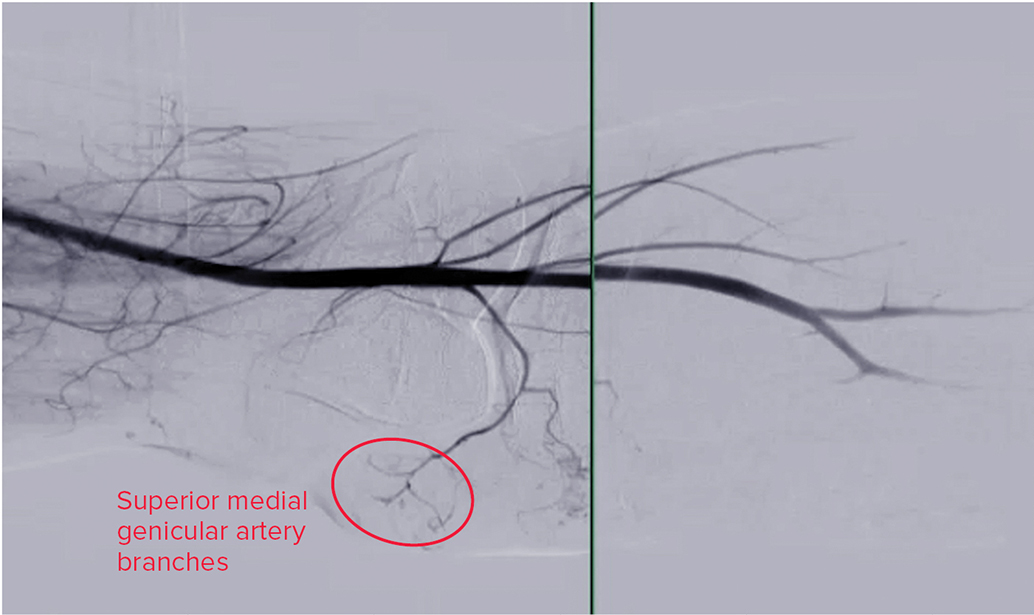
Data review presents geniculate artery embolization as an emerging minimally invasive technique for knee OA
Osteoarthritis is characterized by the breakdown of articular cartilage, subchondral bone remodeling, osteophyte formation, and synovial inflammation, which leads to chronic pain and reduced quality of life.
-

Opioid stewardship: Simple pain-management strategies decrease the risk of opioid abuse after orthopaedic surgery
Substance use disorder, particularly related to opioid abuse, is an aspect of mental health that orthopaedic surgeons must be aware of anytime they consider pain-management options.
-
Integrating mental health tools into the clinical workflow helps support orthopaedic patients, improve outcomes
Chronic pain and psychiatric disorders are common comorbidities in orthopaedic patients and often contribute to treatment outcomes regardless of the subspecialty.
-

Evidence-based guidelines needed for perioperative antithrombotic management in TJA
Patients taking antithrombotic medications present a unique challenge in total joint arthroplasty, as their baseline risk for both hemorrhagic and thromboembolic events is elevated.
-
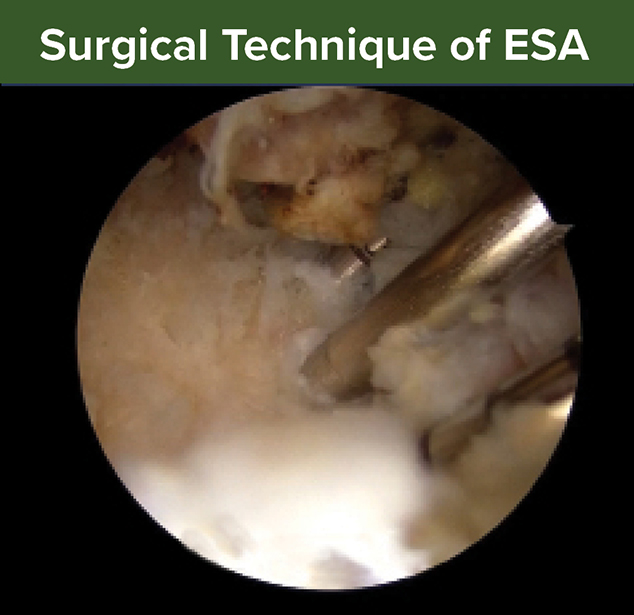
OVT video walks through endoscopic shelf acetabuloplasty with labral repair for management of acetabular dysplasia
Hip dysplasia has traditionally been considered a contraindication for arthroscopic procedures, including labral repair, due to acetabular under-coverage driving labral damage.
-
Sponsored Video: An enhanced innovation in a legacy of proven protection
Ioban™ CHG Chlorhexidine Gluconate Incise Drape (contains 2% w/w CHG) is a cost-effective solution to help reduce the risk of surgical site infections, making it a prudent choice for your surgical procedures.