

AAOS Now, July 2025
-

Glenoid positioning technology in total shoulder arthroplasty comes with pros and cons
Although the use of navigation in total shoulder arthroplasty continues to expand and its theoretical advantage is clear, its clinical benefit, cost, and ease of incorporation remain debated.
-
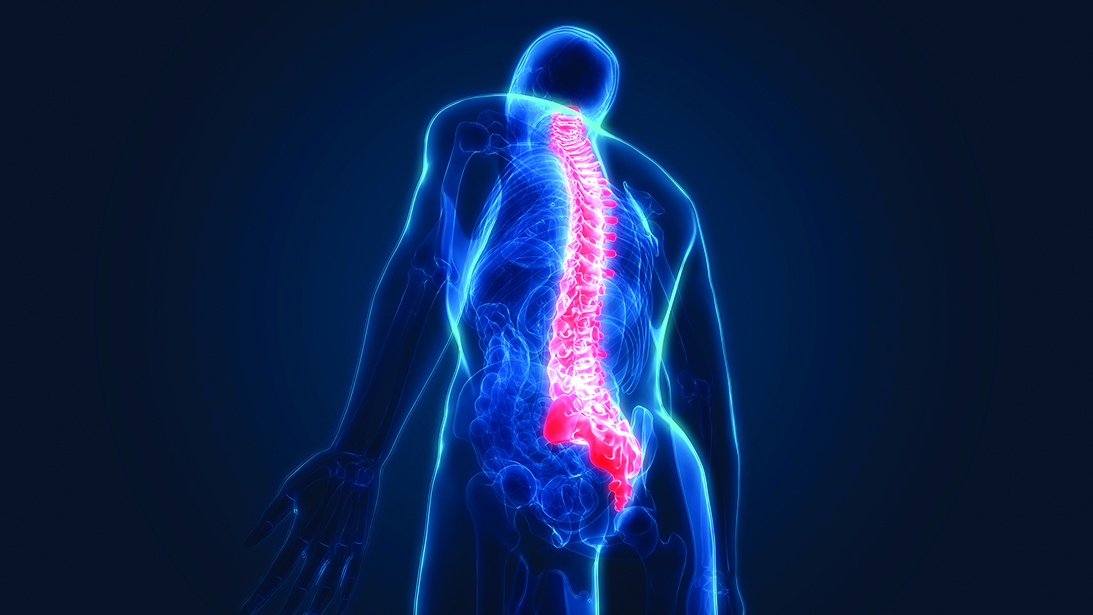
Advancements in robotics and navigation have the potential to transform spine surgery
Adoption of robotics and navigation must be weighed against the high costs and steep learning curve.
-
The economic impact of robotic arthroplasty systems is a hurdle to adoption, despite the technology’s promise
Robotic-assisted total hip and knee arthroplasty has gained global traction, but these platforms require substantial initial investment before they can be implemented.
-
Robotic navigation can help reduce the cognitive workload of orthopaedic surgeons and improve surgical mapping
The utilization of robotic platforms in the OR may reduce fatigue and improve efficiency and ergonomics for surgeons.
-

Matthew Deren, MD, shares how he integrated robotics in his total joint arthroplasty practice more than a decade ago
Matthew Deren, MD, director of the Adult Reconstruction Fellowship at Cleveland Clinic, has been at the forefront of integrating robotic systems into arthroplasty practice over the past decade.
-
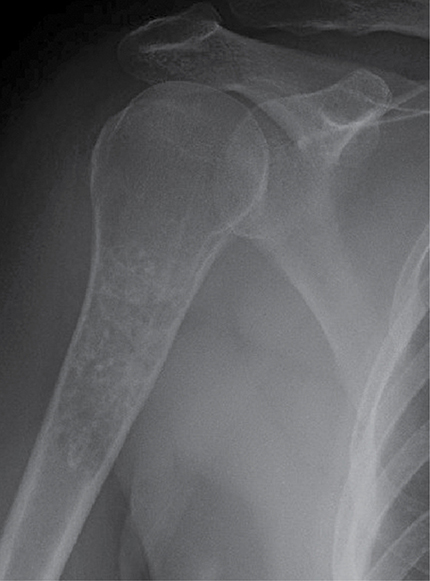
Demystifying tumor classifications: key changes in bone and soft-tissue tumors
The latest edition of the “World Health Organization Classification of Tumors: Soft Tissue and Bone Tumors,” published in 2020, introduced several newly recognized soft-tissue and bone tumors.
-
Robotic systems are reshaping practices of early- to mid-career surgeons
For today’s emerging surgeons, robotics represent more than innovation — these tools offer a strategic advantage; a means of differentiation; and, most importantly, a pathway to more precise, consistent, and patient-centered care.
-
Research and best practice development can help training programs integrate robotic joint arthroplasty
As adoption of robotic-assisted surgery accelerates, training programs face the challenge of effectively integrating these systems into resident and fellow education.
-

A feeling for the patient
Interpreting results and implementing new surgical techniques should be recognized as tools to enhance, not replace, assessment and treatment of our orthopaedic patients.