

AAOS Now, September 2026
-

Experts outline the evolving role of orthobiologics in athletes
Elite athletes are often the first to seek newer treatments that can preserve peak performance, accelerate recovery, and improve outcomes.
-
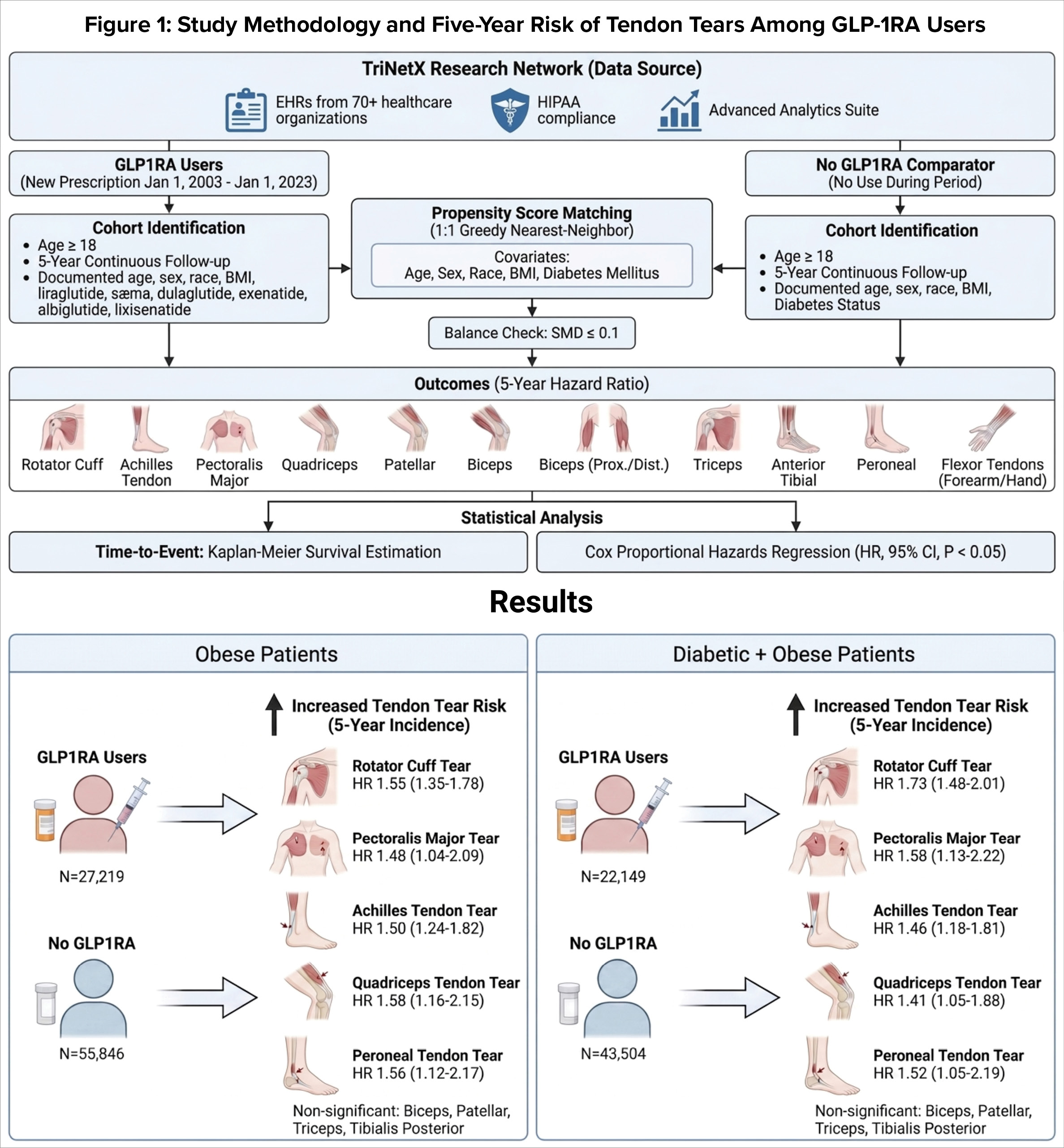
New studies link GLP-1 receptor agonist medications to tendon rupture risk and changes in bone metabolism
The use of GLP-1 receptor agonist (GLP-1 RA) medications has rapidly increased, with randomized controlled studies reporting reductions in major adverse cardiovascular events and diabetic kidney disease progression.
-

GLP-1 RAs can influence fracture risk based on different medications and patient populations
The widespread use of glucagon-like peptide-1 receptor agonists (GLP-1 RAs) has facilitated large population studies examining associations between these medications and a range of health outcomes, including fracture risk.
-
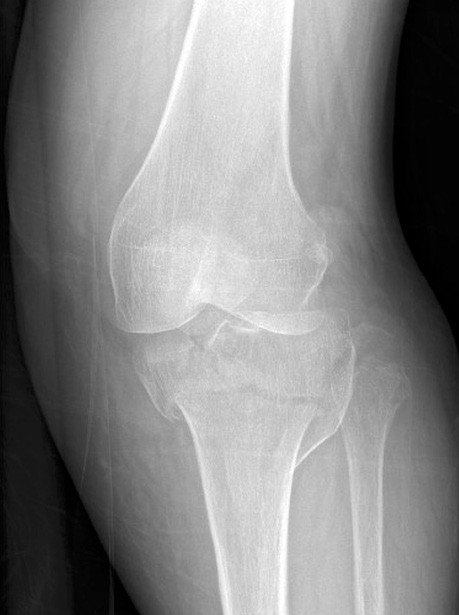
GLP-1 RAs may affect outcomes after tibial plateau fixation
Glucagon-like peptide-1 receptor agonists (GLP-1 RAs) are increasingly encountered in orthopaedic trauma patients presenting for operative fracture fixation.
-
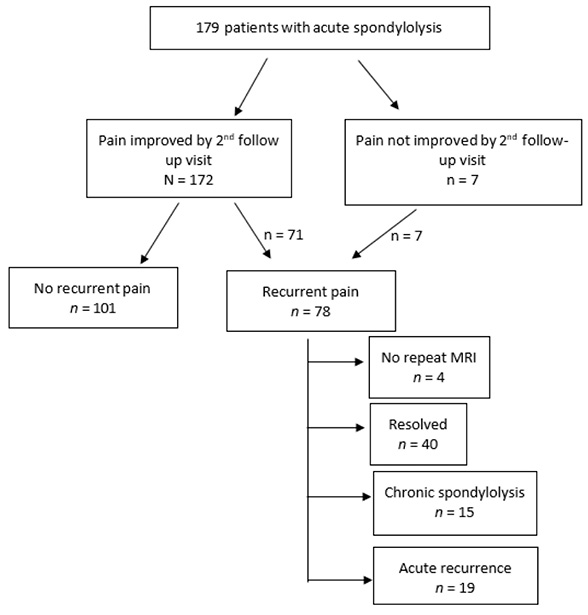
Nonoperative protocol shows high return-to-sport success in adolescent spondylolysis
A new study looks at the clinical outcomes of adolescent athletes who were treated nonoperatively for acute spondylolysis with a protocol of rest, bracing, and physical therapy (PT), finding excellent rates of return to sport (RTS).
-
Study finds declining use of cervical laminoplasty among recent spine fellowship graduates
A study presented at the AAOS 2026 Annual Meeting found that use of cervical laminoplasty among recent spine fellowship graduates declined steadily from 2004 to 2024 despite the procedure’s established role in treating cervical myelopathy and spinal cord compression.
-
What treatment delivers the best value for proximal humerus fractures in the elderly?
Proximal humerus fractures (PHFs) are the third most common fragility fracture seen in the elderly.