

AAOS Now, October 2026
-
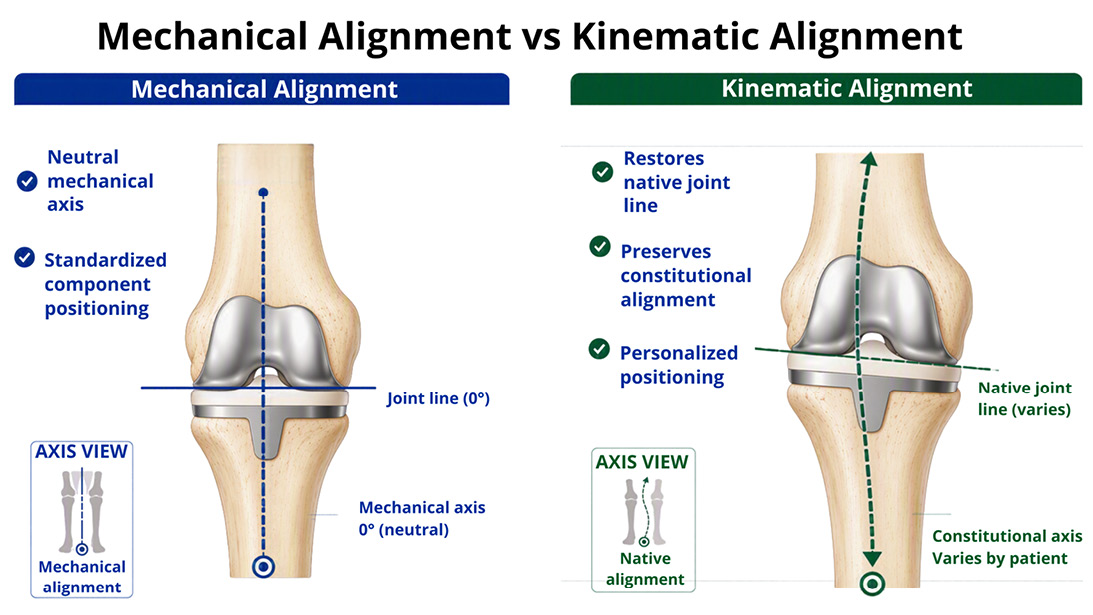
Personalized alignment in UKA: Moving beyond mechanical neutral
Compared to TKA, UKA preserves both cruciate ligaments and the unaffected compartment, yielding faster recovery and a more natural feel.
-
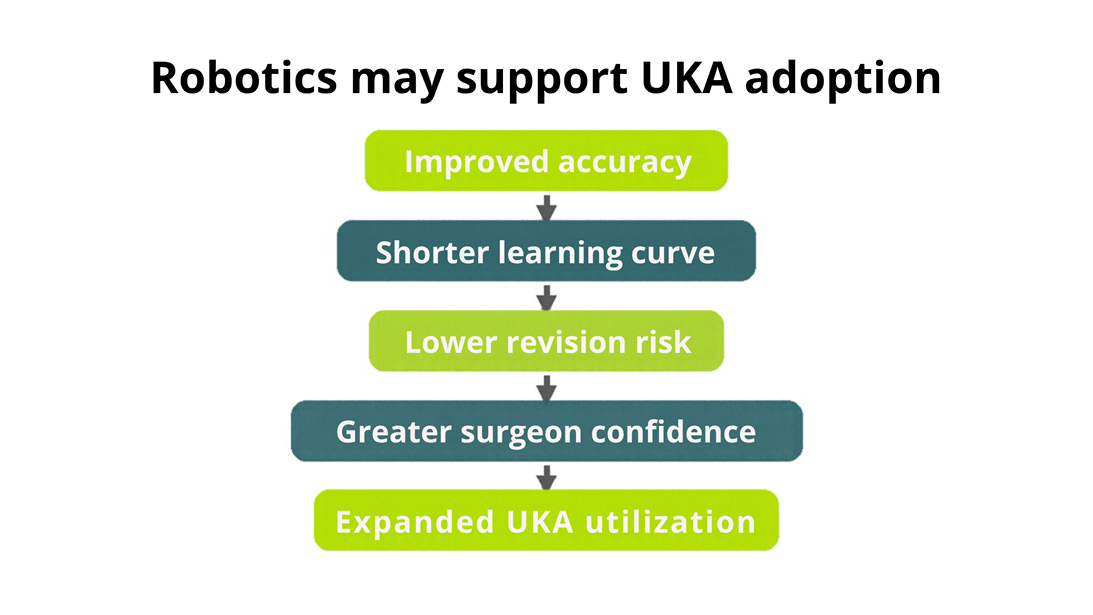
Can robotics expand the use of unicompartmental knee arthroplasty?
When compared with total knee arthroplasty (TKA), unicompartmental knee arthroplasty is less invasive and offers quicker recovery, more natural kinematics, and excellent functional outcomes.
-
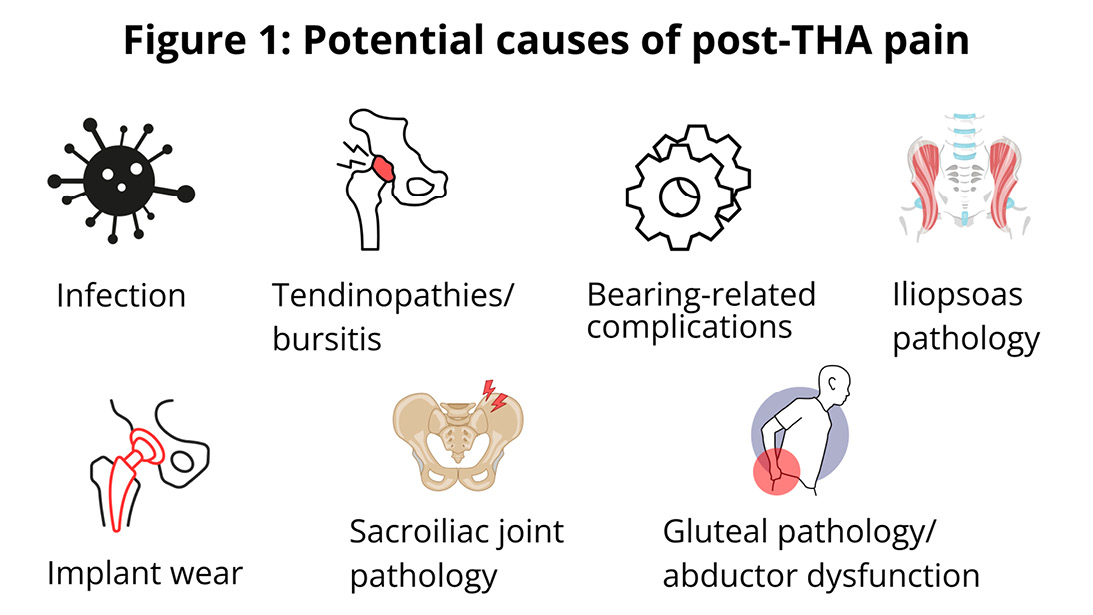
Diagnosing pain after THA: Embrace your inner Sherlock Holmes
As total hip arthroplasty has become one of the most common surgical procedures in the United States, it has also become more effective, with many patients enjoying years of pain-free motion.
-
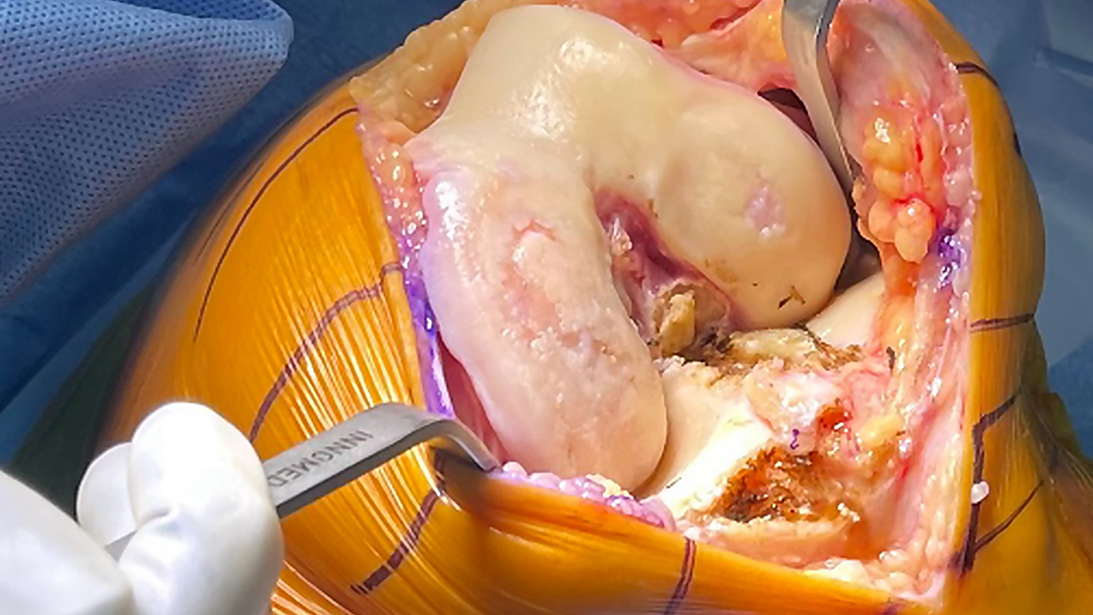
More knee arthroplasty patients may be candidates for UKA
As modern surgical treatment of knee osteoarthritis (OA) has evolved, my practice has developed a two-tiered system for indicating knee arthroplasty.
-
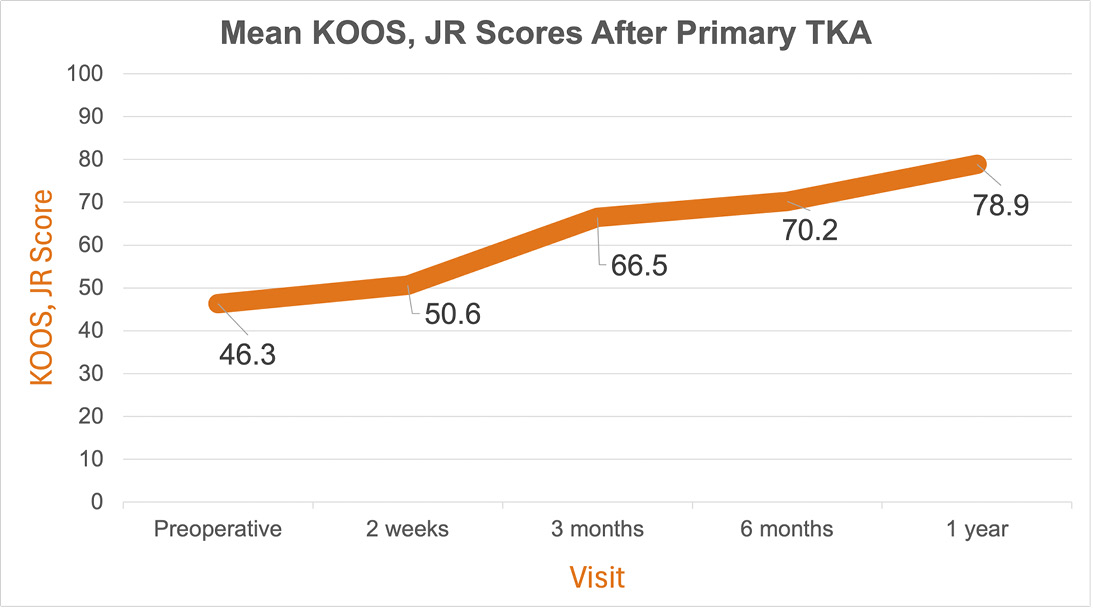
Most patients achieve substantial clinical benefit after TKA, but some factors increase the risk of falling short
More than three-quarters of patients achieved substantial clinical benefit (SCB) one year after primary total knee arthroplasty (TKA), but patients with higher preoperative Knee injury and Osteoarthritis Outcome Score for Joint Replacement (KOOS, JR) scores and those reporting back pain before surgery were significantly less likely to reach that benchmark, according to research presented at the AAOS 2026 Annual Meeting.
-
Are we ready to adopt cementless fixation in unicompartmental knee arthroplasty?
Unicompartmental knee arthroplasty remains an attractive alternative to total knee arthroplasty for patients with isolated medial compartment osteoarthritis, offering preserved kinematics, lower perioperative morbidity, faster recovery, and potentially improved outcomes and overall patient satisfaction.
-

ARBs outperform ACE inhibitors in preventing arthrofibrosis after knee arthroplasty
A study at the AAOS 2026 Annual Meeting presented findings on the use of angiotensin-converting enzyme inhibitors (ACEis) and angiotensin II receptor blockers (ARBs) to lower the risk of arthrofibrosis following total knee arthroplasty (TKA).