
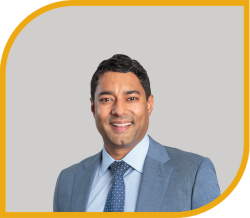
Meelan Patel, MD, FAAOS
Clinical Associate Professor
Chief of Orthopaedic Trauma
NYU Langone Hospital Long Island
Mineola, NY
Member Since: 2015
How has the AAOS helped you throughout your career?
It’s been a launching point for my ongoing professional education. I started out relying heavily on the AAOS educational platforms during training to build a foundation, and that’s carried straight through to my practice today—including reading the yellow journal regularly to stay up on literature outside of my immediate trauma bubble. While the networking aspect has naturally become a great resource as I’ve progressed, the core value for me has always been having a reliable benchmark for self-education.
As an Active Fellow Member, which AAOS resources do you use most and why?
The self-education and assessment platforms are what I interact with the most. Orthopaedics is constantly evolving, and you have to be disciplined about auditing your own knowledge base. Having a centralized, trusted resource to stay current on the most up-to-date techniques and literature is essential for ensuring you're always delivering the highest standard of care.
What’s the best advice you were ever given? Who was it from?
My fellowship director gave me a great piece of career advice when I was looking for my first position: “When looking for a job, go somewhere where they really NEED you.” Going where there is a genuine need means you can make an immediate, meaningful impact on day one, rather than just trying to fit into an existing mold. Along the way, I've paired that with another rule I live by: always surround yourself with people who inspire you and push you to be better, both inside and outside the operating room.
What’s your go-to productivity trick?
Getting up super early and knocking out both personal and professional administrative chores before the rest of the world wakes up. I’ve actually grown to really savor that time — it’s almost meditative when the house is completely quiet. If I can clear my inbox, handle family logistics, and check off tasks in that headspace, I feel like I've gotten a psychological head start on my day. Once you step into the hospital, the day belongs to the job, so clearing the deck early lets me focus 100% on work.
What’s one thing you’re currently trying to make a habit?
Being a better, more intentional teacher for my residents. When you’re in the zone during a complex trauma case, it’s easy to default to auto-pilot and just dictate the flow to get it done. I’m actively working on slowing down in those moments, explaining the why behind my intraoperative decision-making, and giving them the space to learn actively rather than just watching me operate.
What hobbies do you enjoy in your spare time?
When I’m out of the OR, I like to stay active and work with my hands. I do a lot of technical DIY and custom projects around the house, which keeps that tactile, building side of my brain going. Beyond that, I focus on fitness to keep in shape, spending quality time with my family, and anything involving cooking and eating great food.
Tell us a fun fact about yourself that not many people know?
Even though I've spent my entire training and career navigating the fast-paced, high-volume medical centers of the East Coast, I grew up in Denver, Colorado. I might be a city guy now, but I still have a massive soft spot for the mountains, skiing, and that definitive Rocky Mountain way of life. It’s a nice mental reset from the New York rush. I’m also very into music of all kinds, but I’m a die-hard heavy metal fan at heart!