
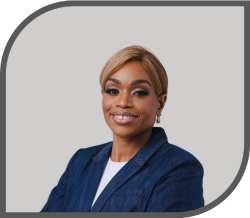
Gail A. Caruth, MD
Consultant Orthopaedic Surgeon
Orthopaedic and Physiotherapy Associates/King Edward Memorial VII Hospital
Bermuda
Member Since: 2012


How has the AAOS helped you throughout your career?
AAOS has been a huge part of my growth as a surgeon from the very beginning of training. During residency, the courses helped build a strong foundation in orthopaedics, but what stood out most were the hands-on learning experiences and exposure to surgeons from different backgrounds and specialties. The surgical labs in Chicago were especially memorable because they gave me the chance to refine techniques in a practical setting and ask questions openly without the pressure of the operating room. As an international surgeon, AAOS also helped me stay connected to new ideas, evolving techniques, and a larger orthopaedic community. It has always felt like a place focused on learning and improving patient care.
As an International Member, which AAOS resources do you use most and why?
The virtual courses have been a game changer. Being able to access educational content from anywhere makes it much easier to stay current while balancing surgery, clinic, and life outside of work. Earlier in my career, I spent quite a bit of time watching the Orthopaedic Video Theater. There is something incredibly valuable about watching experienced surgeons walk through procedures step-by-step, including how they handle difficult moments or small technical details that are hard to learn from a textbook. I still pick up new ideas and hone my skills from watching how others operate.
What’s the best advice you were ever given? Who was it from?
One of my mentors, Dr. Christopher Rose, always reminded me that, “two things can be true at the same time: you are afraid to fail AND believe in yourself.” That advice has remained with me throughout my career and allowed me to remain calm in all situations and keep pushing. Surgery can humble you quickly, and things do not always go exactly as planned. Staying calm gives you space to think clearly, adapt, and make better decisions. I’ve found that advice applies far beyond the operating room. Whether it is work, family, or life in general, people tend to make their best decisions when they slow down enough to give people some grace and think instead of react.
What’s your go-to productivity trick?
I mentally reset throughout the day, especially during surgery. Every so often, I pause for a few seconds and ask myself, “Am I progressing the way I want to? Do I need to adjust anything?” That small check-in helps me stay focused and prevents me from operating on autopilot. If I want something to improve, I usually have to change something within myself first. One of my favorite reminders is: “Nothing changes if nothing changes.”
What’s one thing you’re currently trying to make a habit?
Every morning, I try to think of three positive things from the day before. Medicine can be intense, and it is easy to move straight to the next task without appreciating small wins or meaningful moments. Some days it is something big, like helping a patient regain mobility. Other days it is as simple as a good conversation, a quiet moment, or finishing the day knowing it’s over and I gave my best effort. It helps keep me grounded.
What hobbies do you enjoy in your spare time?
Honestly, I enjoy simple things more and more these days, like being around good people without needing a packed schedule. Rest, quiet, and time to recharge have become very important to me. And of course, throwing in some adrenaline pumping activity, like hanging off a skyscraper once in a while.
Tell us a fun fact about yourself that not many people know?
I practice ohitorisama, a Japanese noun meaning, “the art of doing things alone and loving it." Orthopaedics can be loud, fast-paced, and high-energy, so I really value quiet moments when I can completely disconnect and reset. Some of my best ideas and clearest thinking happen when there is nothing going on around me.