
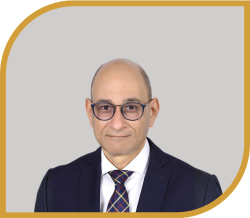
Yasser Ali Elbatrawy, MD, PhD
Professor of Orthopaedic Surgery
Head of Orthopaedic Department
Al-Azhar University
Cairo, Egypt
How has the AAOS helped you throughout your career?
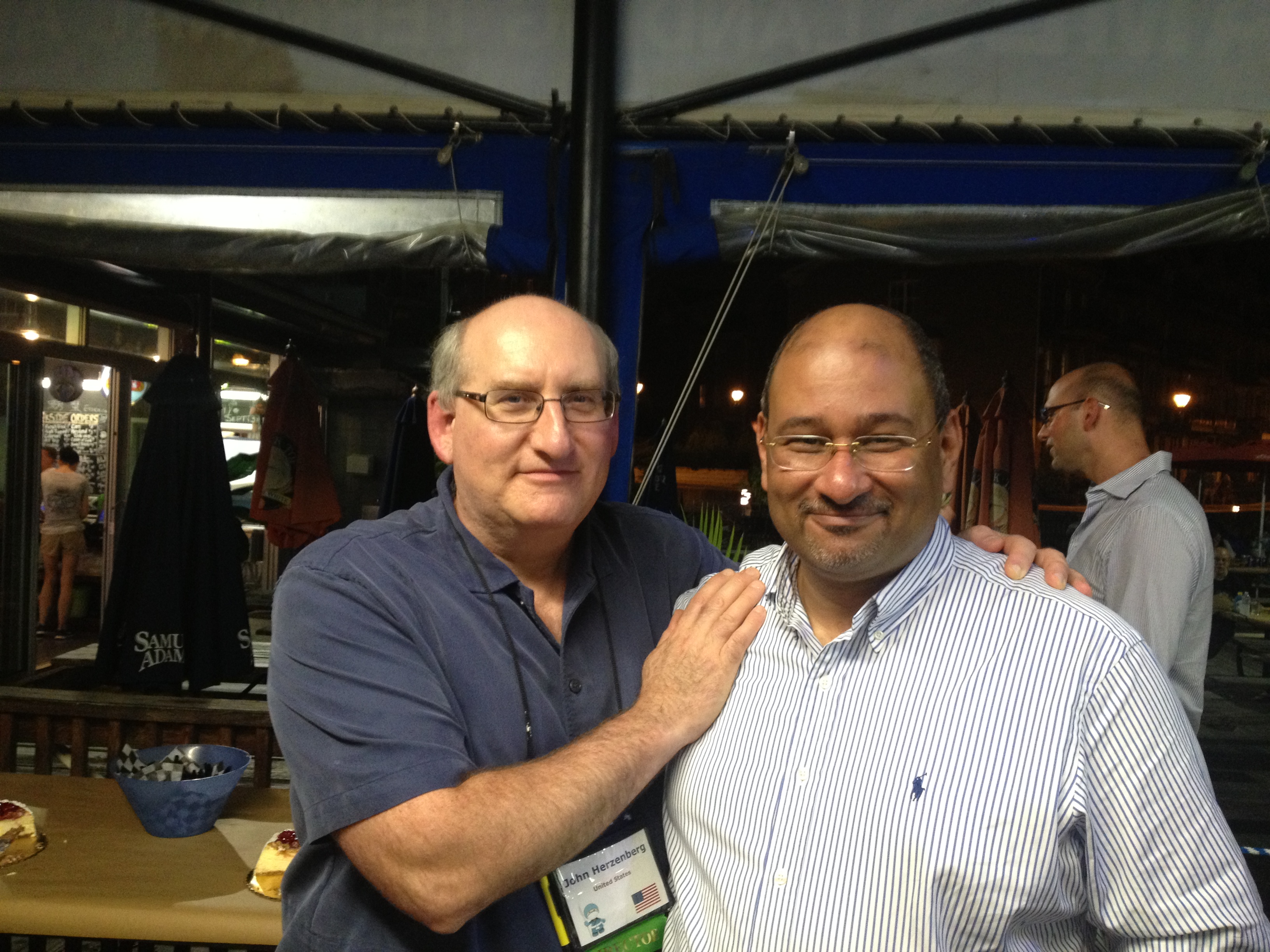
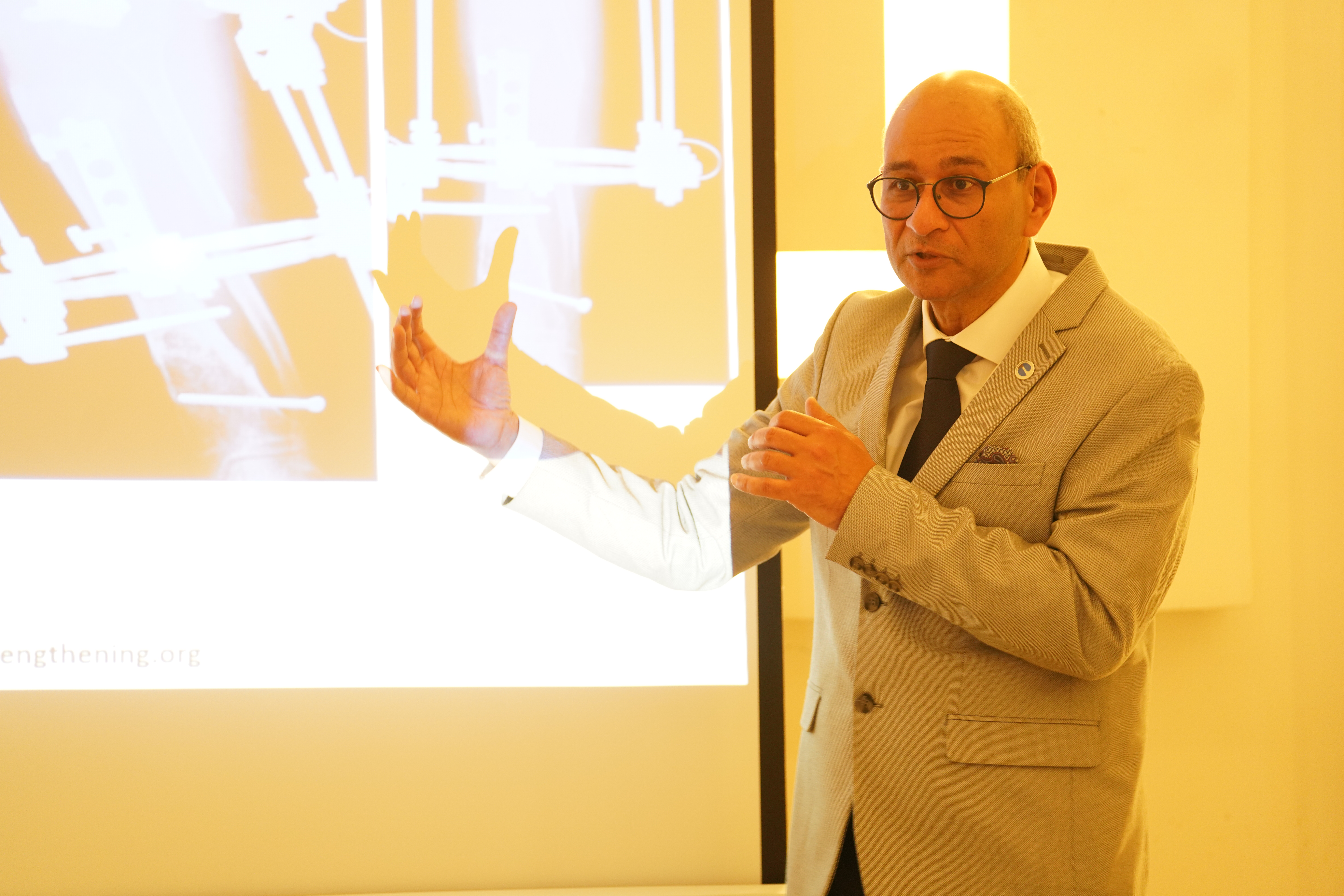
AAOS has played a very important role in my professional life for many years. In 1997, I became a member of AAOS and was introduced to its outstanding scientific activities. I attended the Annual Meeting and Specialty Day programs, and I explored the wealth of educational resources available online. These experiences expanded both my professional network and my scientific knowledge.
As an International Member, which AAOS resources do you use most and why?
The AAOS Annual Meeting has always been my most valuable educational experience. I carefully planned which sessions to attend in person, and afterward I would watch the sessions I had missed online.
What’s the best advice you were ever given? Who was it from?
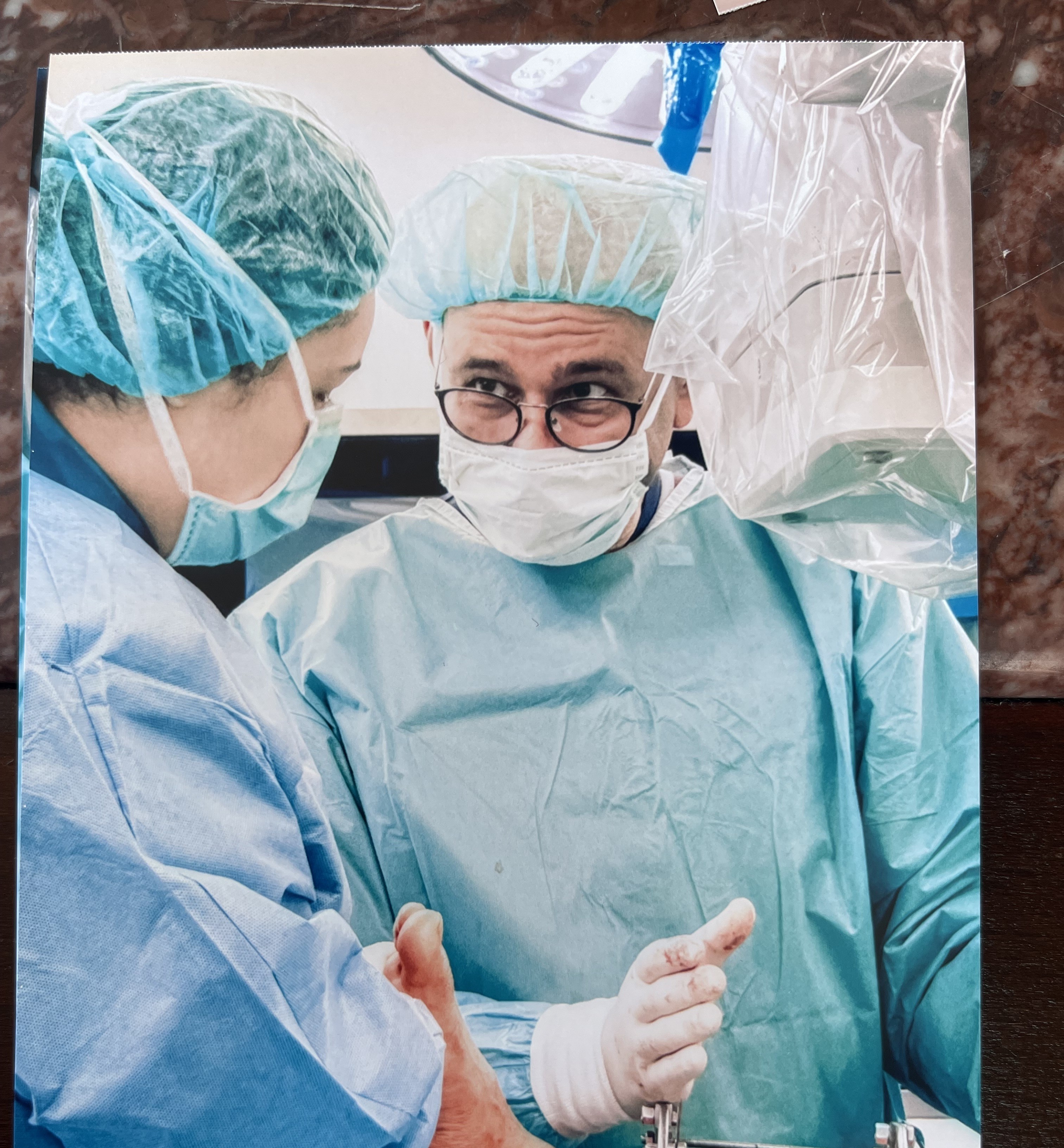
The best advice I ever received came from my dear mentor, Professor Maurizio Catagni. During my fellowship with him in 2001, we were preparing for a particularly complex reconstructive procedure. Before the operation, I said to him, “This is really too difficult!”
What’s your go-to productivity trick?
Going to bed early after thoroughly preparing for the following day’s tasks. Then, waking up early and starting work as early as possible, while paying close attention to every detail. That discipline makes a significant difference.
What’s one thing you’re currently trying to make a habit?
Regular exercise. It is important not only for physical health but also for mental and emotional well-being.
What hobbies do you enjoy in your spare time?
Reading and playing squash.
Tell us a fun fact about yourself that not many people know?
Although I am an orthopaedic surgeon who treats severe trauma on a daily basis, I cannot bear to watch an animal being slaughtered. Even seeing someone kill a chicken or a turkey is enough to make me faint.