
Published 6/8/2026
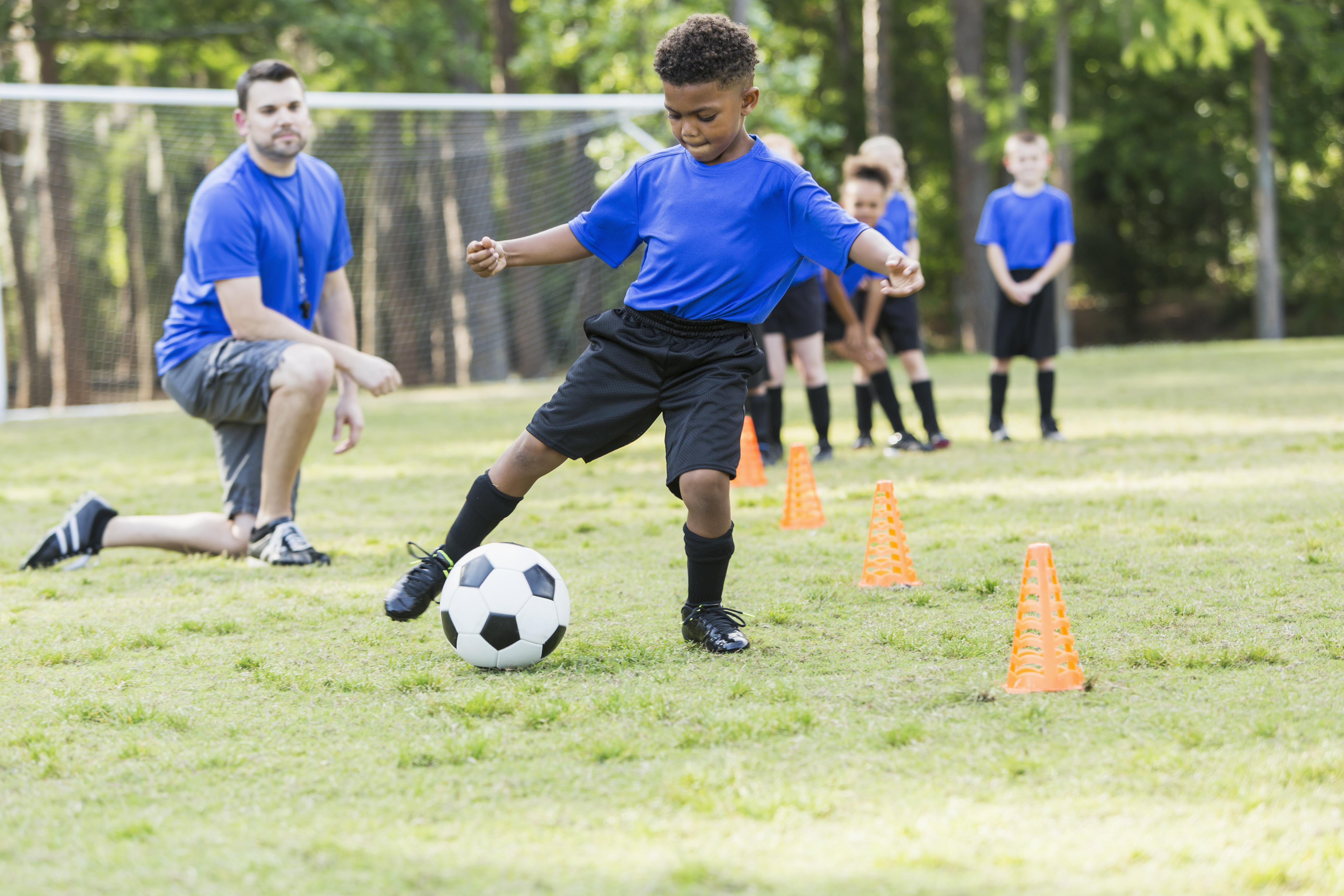
A young athlete practices soccer drills during training. Proper conditioning, warm-ups and strength training can help reduce the risk of common soccer injuries.
Getty Images / kali9
ROSEMONT, Ill. (June 8, 2026)—As excitement builds for the 2026 FIFA World Cup, experts expect a surge in youth soccer participation, along with a seasonal spike in preventable injuries.
Before the first whistle blows, the American Academy of Orthopaedic Surgeons encourages young athletes and families to take a few simple steps to help prevent common soccer injuries and stay in the game all season long.
- Don’t go from couch to cleats overnight: Avoid doing too much, too soon. Athletes returning to soccer after time away should gradually increase playing time, intensity and conditioning to help reduce injury risk.
- Warm-up before every game and practice: A proper warm-up helps prepare muscles and joints for activity. Dynamic stretching and light movement before practices and games can help athletes reduce the risk of common soccer injuries like muscle strains and sprains.
- Build strength and balance: Strength, balance and coordination exercises can help improve movement mechanics and may reduce the risk of ACL, knee and ankle injuries common in soccer.
- Make sure your gear fits properly: Properly fitted shin guards, appropriate footwear and safe playing surfaces all contribute to injury prevention and player safety.
- Don’t play through pain: Pain is an important warning sign. Athletes should not play through persistent pain, swelling or discomfort that worsens with activity.
When should parents seek medical attention?
With nearly 2.5 million youth soccer players registered annually through US Youth Soccer alone[1], the sport continues to be one of the nation's most popular youth activities, underscoring the importance of injury prevention education for young athletes, parents, and coaches. By taking a few simple precautions, young athletes can spend less time on the sidelines and more time enjoying the game. Parents and coaches should watch for warning signs of serious injury, including:
- Significant swelling
- Inability to bear weight
- Joint instability or deformity
- Pain that persists for several days
- Signs of a concussion, including headache, dizziness or confusion
For additional soccer injury prevention resources, visit OrthoInfo.org: Soccer Injury Prevention.
# # #
About AAOS
With more than 39,000 members, the American Academy of Orthopaedic Surgeons is the world’s largest medical association of musculoskeletal specialists. AAOS is the trusted leader in advancing musculoskeletal health. It provides the highest quality, most comprehensive education to help orthopaedic surgeons and allied health professionals at every career level to best treat patients in their daily practices. AAOS is the source for information on bone and joint conditions, treatments and related musculoskeletal healthcare issues; and it leads the healthcare discussion on advancing quality. Follow the AAOS on Facebook, X, LinkedIn and Instagram.
[1] https://www.usyouthsoccer.org/about/
Contact AAOS Media Relations
Deanna Killackey
847-384-4035
killackey@aaos.org
Nicole Winston-Ramirez
847-384-4162
winston-ramirez@aaos.org